Cultivating professions, enhancing abilities.
We connect tech professionals with remote opportunities, advancing careers and helping businesses grow.
Trusted by global companies.

Finding jobs
hiring talent

testimonials
Securing talent's dream roles.
Hear from professionals who’ve found their perfect role through us. Their success is our motivation.


Recruiters
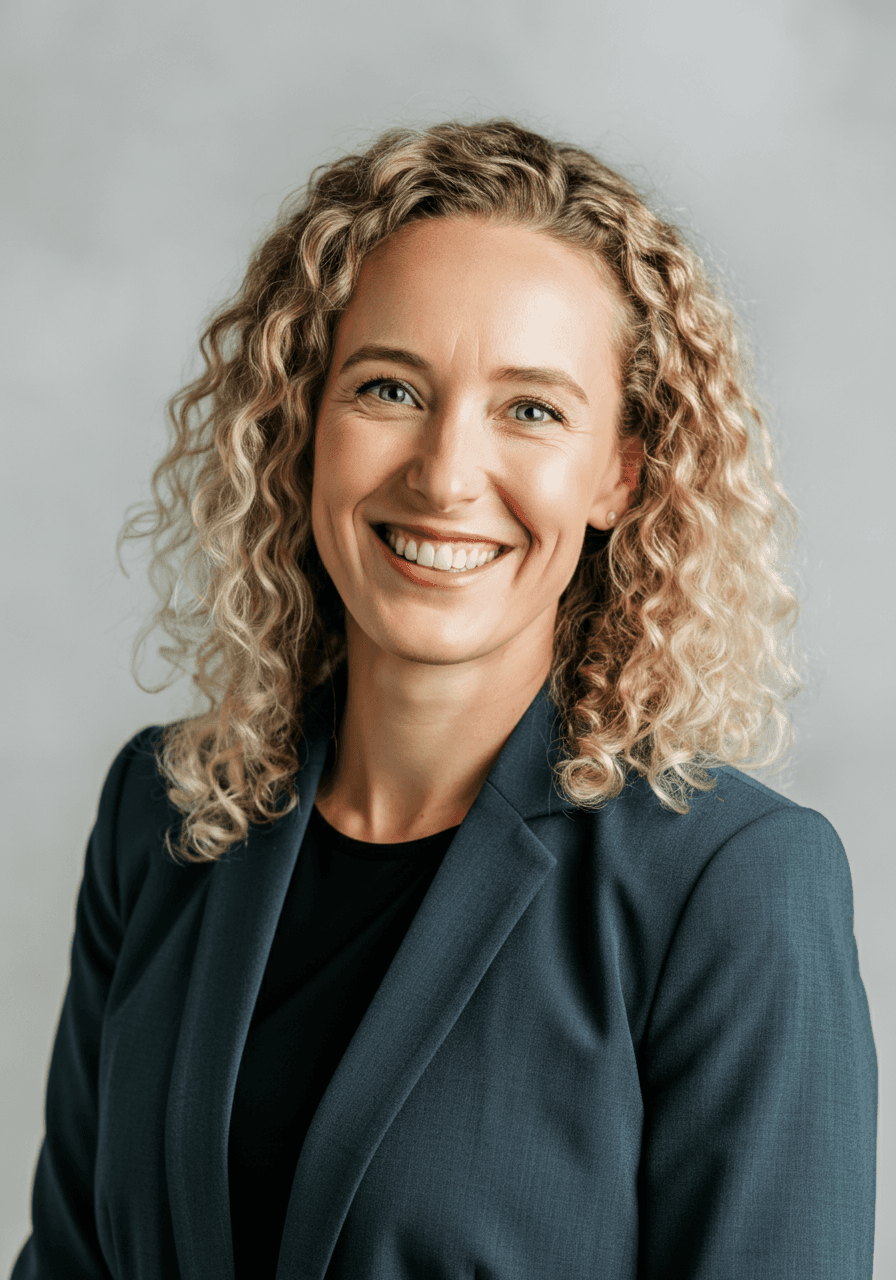
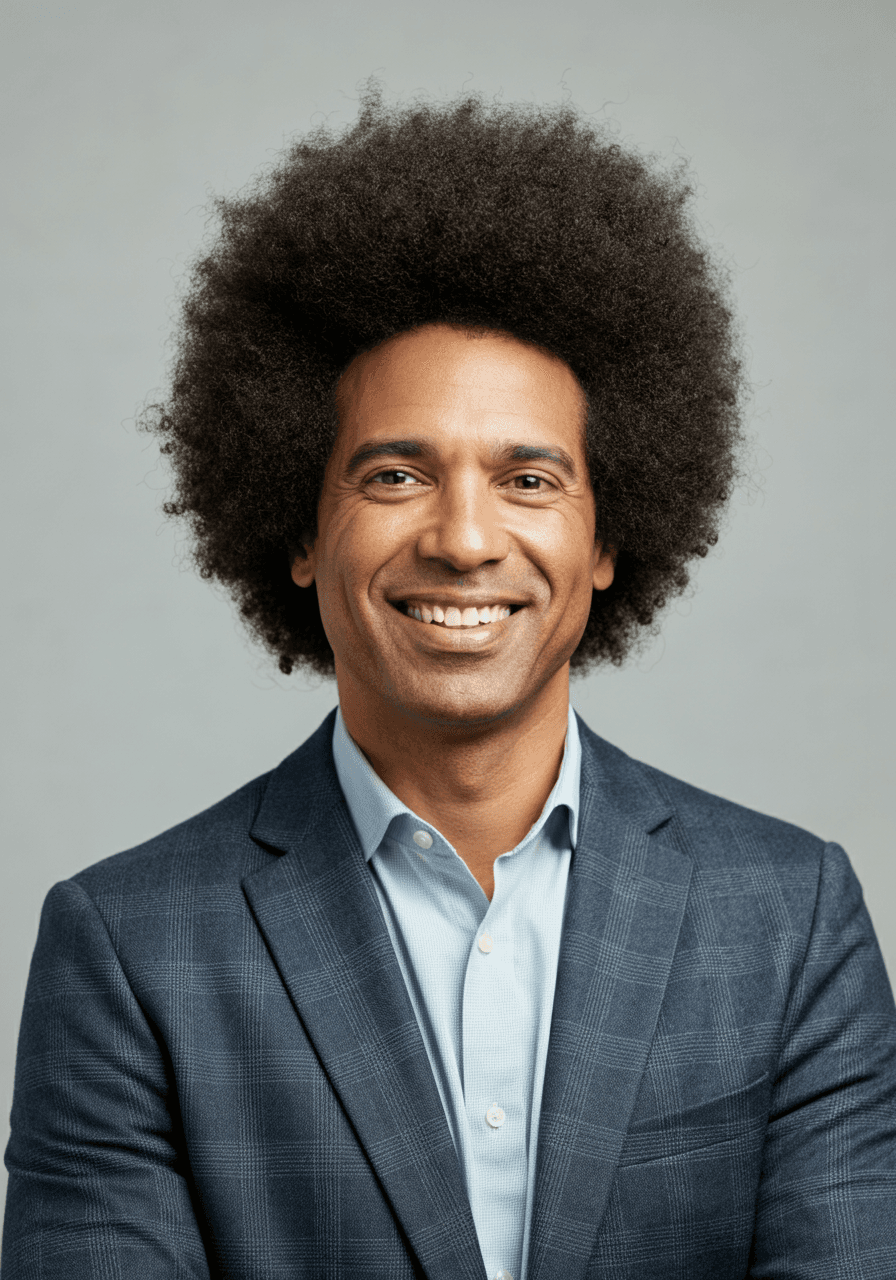
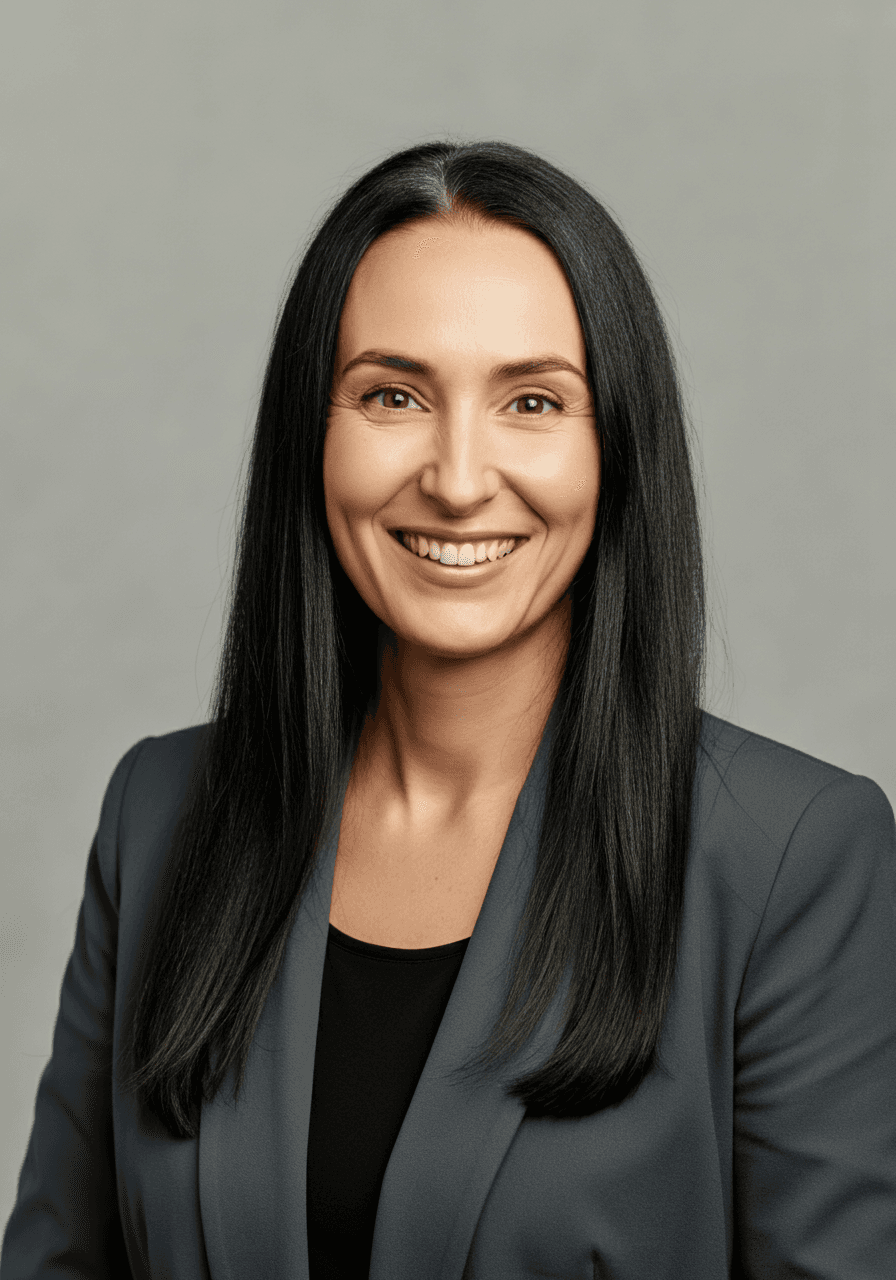
Meet your recruiter.
With our combined, extensive experience, we ensure we'll help you land your perfect role.
about proxima institute
We teach AI the way practitioners actually use it.
Proxima Institute was built on a simple premise: most AI education is taught by people who don't do the work. Proxima flips that. Every instructor has an active career in the function they teach.
why we exist
The AI education gap is a practitioner problem.
[PLACEHOLDER STAT: % of CMOs with a formal AI strategy] of senior marketing leaders say they lack confidence using AI in their core workflows — not because they're incurious, but because the available training was built for early adopters and engineers, not for people running campaign budgets and managing teams.
The same pattern holds in Finance, Supply Chain, HR, and the C-suite. There are plenty of "AI for everyone" courses. There are almost no programs built around the specific decisions, constraints, and tools that practitioners in each function actually face.
Proxima was started by Alex Aldrich and Phil Spangler to close that gap — with programs designed around the work, not around AI in the abstract.
our approach
Four principles that shape every program.
01
We teach with real tools, not slideware.
Every session involves the actual tools practitioners use — no sanitized demos, no "imagine you had access to X." If a tool is on the curriculum, participants use it on live work.
02
Our faculty ship work, not papers.
Proxima instructors hold active roles in the functions they teach. They're not academics or ex-consultants teaching from memory. They're doing the work this week.
03
Function-specific, not generic.
We don't believe in "AI for business." The decisions a CMO makes with AI are different from the decisions a CFO makes. Every Proxima program is built around one function's specific workflows, constraints, and context.
04
We measure outcomes, not completion rates.
A program that gets finished but doesn't change how someone works is a failed program. We follow up at 30 and 90 days to ask what actually changed — and use that to improve what we teach.
founders
Alex Aldrich
Co-founder, Proxima Institute
Alex spent fifteen years leading marketing and commercial teams at some of the country's largest consumer brands, education platforms, and diversified industrials companies — managing budgets in the hundreds of millions and navigating three major enterprise AI rollouts before most organizations had an AI policy. He has consulted senior leadership teams at firms ranging from Fortune 100 manufacturers to private-equity-backed education companies, advising on AI capability building, organizational design, and change management. He lives in Chicago with his wife and two daughters, coaches youth soccer on weekends, and serves on the board of Year Up United, which connects underserved young adults to career pathways in business and technology.
Phil Spangler
Co-founder, Proxima Institute
Phil's career spans supply chain operations, finance transformation, and executive education — most recently as a VP of Operations at a global industrials company where he led the AI-enabled re-engineering of the firm's planning and procurement workflows, reducing cycle time by over 30% across a 400-person organization. He has trained and advised senior teams at institutions including top-ten business schools and global 2000 companies, with a focus on building durable capability rather than one-time exposure. Phil lives outside Boston with his husband and their rescue dog, is an avid ocean sailor, and is actively involved with The Nature Conservancy's corporate partnership program.
Want to teach with Proxima?
We're always looking for practitioners who teach by doing. If you have deep expertise in a function and want to build the programs your peers wish had existed, we'd like to hear from you.